commutare

I dance. I fly – dog paddle upwards, a vertical take-off like a helicopter (great for escaping danger), and breaststroke through the sky or glide on updrafts. There is joy in the journey. But back down on earth, leaving the reverie, my physical and attitudinal surroundings are not so conducive to travel. I use a mobility scooter or wheelchair to get around and commuting on public transport from Blacktown to Wynyard Station is closer to a nightmare.

To travel to Sydney’s CBD by train, I load my wheelchair into the back of the car using a hoist. It only takes me about ten minutes to drive to the station, then the search for parking begins. There are notoriously few public car parks near Blacktown Station, let alone disability spaces. At Boys Ave there are 130 spots, and eight of those are for disabled commuters. Say I’m lucky enough to find parking. Then I unload my chair, negotiate holes in the footpath, humps, bumps, and kerbs to get to the station. Wait my turn in front of the lift. The doors open and close. It’s overflowing with impatient commuters. I wait a while before the doors open finally to reveal a space for me. I wait for an attendant to let me through the ticket gate. Wait again for rail staff, who are often stressed and grumpy, to organise the ramp to get me over the gap between the platform and onto the train. Over 6000 commuters pass through the Blacktown station turnstiles on a typical workday during morning peak time, 15,800 people during an average 24-hour day.

In a 2019 9News report, Blacktown residents interviewed said they hardly ever get a seat on the train going to or from work. Standing room only, they’re packed like battery hens on the way to the slaughterhouse. Often the train is too crowded for me to board. When I can get on, I need to manoeuvre my way through the crush of bodies and find a place to hold onto a handrail so my chair doesn’t slide when the train brakes. At Wynyard, there’s another wait. The station attendant needs to put a ramp down and help me off the train. Even if a support worker accompanies me, I’m exhausted by the time I get to work and have a raging headache. My joints and muscles scream in pain.

Generally, I avoid public transport, choosing instead to load my scooter into my car and drive calmly through Blacktown’s asbestos jungle. With lockdown, I rarely travelled to the city and now I’m self-isolating, I work from home as much as I can. Today, however, I need to meet with other creatives in person at the start-up hub where our small arts organisation has a desk. The haunting voice of Karen Chilton reverberates through my car. She narrates the story of Sorrowland by Rivers Solomon, the latest book to satisfy my craving for Afrofuturism and Black speculative fiction. Suburban homes flick by, some just starting their gentrification journeys, moving away from the perceived stigma of working-class existence, to maybe one day, achieve the affluent, leafy, suburban bliss of Castle Hill. I glide past Kings Park Industrial Estate, a car and truck rental, and left onto Sunnyholt Road. Turn right, gathering speed, 100 kilometres per hour to merge onto the M7.
Read More

GAELE SOBOTT – DISABILITY, FIRST NATIONS and CLIMATE by Leslie Tate

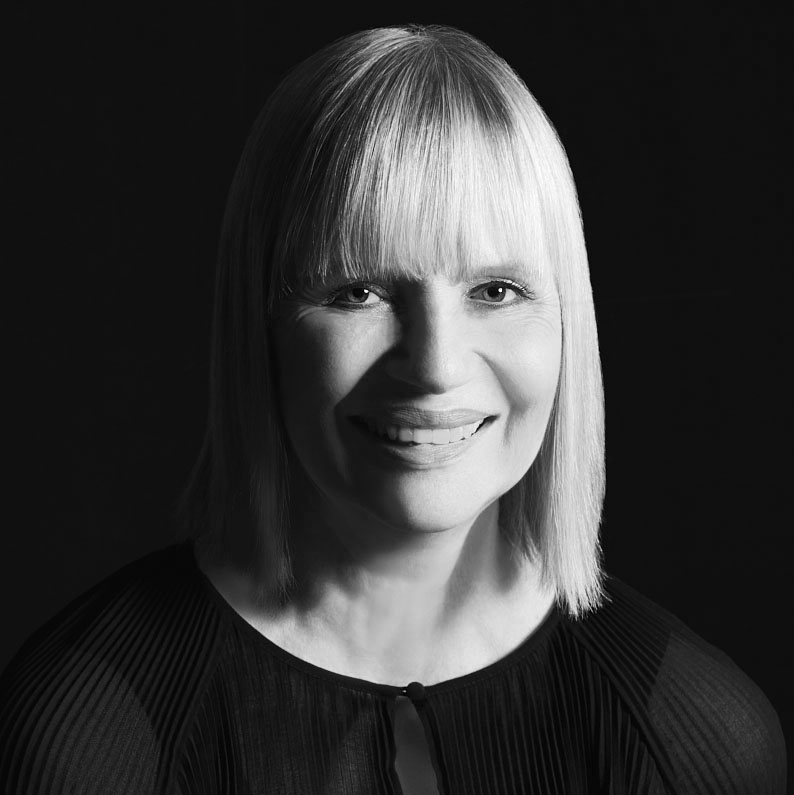
Headshot of Gaele Sobott

I interviewed Gaele Sobott, founder and creative director of Outlandish Arts, a disabled-led arts organisation, and author of Colour Me Blue, a collection of short stories set in Botswana, and My Longest Round, the life story of Wiradjuri man and champion boxer Wally Carr.

In the first half of her interview, Gaele introduces her upbringing and disability work, her creative methods as a cross-genre wordsmith and her reaction to the Australian bushfires and the current climate emergency.

Leslie: Could you tell the story, please, of how your interest in various forms of writing and disability arts began, grew and developed? How did your early life shape your creativity?

Gaele: I was born and grew up in regional Victoria, Australia. When I was very young, I did the rounds of all the Sunday schools; Methodist, Anglican, Presbyterian, Catholic, to collect books. I liked the stories. We moved around a fair bit but for as long as I can remember, public libraries were the centre of my world. When we lived in a small fishing town where there was no library, I looked forward to the bookmobile that drove in regularly. My parents also paid off a set of Grolier encyclopedias which provided me with hours of reading. We had an Astor radio with two shortwave bands. I discovered Radio Moscow and would listen to their English program. I received books and plastic records from them in the mail. I particularly loved traditional stories or folktales from around the world about magical and imaginary beings. So I would say that access to stories, books and reading during my early life definitely shaped my later creativity.

My interest in writing developed at school, particularly the secondary school I attended in Melbourne, where I had dedicated English Literature and History teachers who encouraged me to write. I kept a journal during that time and, as a teenager, was influenced by the politics of the Vietnam Moratorium and the growing women’s liberation movement.

I remember seeing demonstrations by disabled people on TV but knew very little about disability politics. I did not then identify as disabled. My understanding of disablement as a political concept only came about in the late 1990s when I began to experience impairment that affected my mobility and my access to buildings, transport and events. My involvement in disability arts only really started in the early 2000s when I came back from living overseas for over twenty years. I met with Amanda Tink and Josie Cavallaro at Accessible Arts NSW, who assisted me quite a lot in understanding the disability arts environment in NSW and Australia. At that time, I started writing my body into my work, the way I moved through the world, my experiences with hospitals and doctors. I was part of the first Australian cohort of Sync, a training program presented by the Australia Council for the Arts that focused on the interplay between leadership and disability. The people I met there and the course itself helped me understand that, as disabled people, we can lead through our art and arts work. I founded Outlandish Arts, a disabled-led arts company for disabled artists across all art forms.

Read More