commutare

I dance. I fly – dog paddle upwards, a vertical take-off like a helicopter (great for escaping danger), and breaststroke through the sky or glide on updrafts. There is joy in the journey. But back down on earth, leaving the reverie, my physical and attitudinal surroundings are not so conducive to travel. I use a mobility scooter or wheelchair to get around and commuting on public transport from Blacktown to Wynyard Station is closer to a nightmare.

To travel to Sydney’s CBD by train, I load my wheelchair into the back of the car using a hoist. It only takes me about ten minutes to drive to the station, then the search for parking begins. There are notoriously few public car parks near Blacktown Station, let alone disability spaces. At Boys Ave there are 130 spots, and eight of those are for disabled commuters. Say I’m lucky enough to find parking. Then I unload my chair, negotiate holes in the footpath, humps, bumps, and kerbs to get to the station. Wait my turn in front of the lift. The doors open and close. It’s overflowing with impatient commuters. I wait a while before the doors open finally to reveal a space for me. I wait for an attendant to let me through the ticket gate. Wait again for rail staff, who are often stressed and grumpy, to organise the ramp to get me over the gap between the platform and onto the train. Over 6000 commuters pass through the Blacktown station turnstiles on a typical workday during morning peak time, 15,800 people during an average 24-hour day.

In a 2019 9News report, Blacktown residents interviewed said they hardly ever get a seat on the train going to or from work. Standing room only, they’re packed like battery hens on the way to the slaughterhouse. Often the train is too crowded for me to board. When I can get on, I need to manoeuvre my way through the crush of bodies and find a place to hold onto a handrail so my chair doesn’t slide when the train brakes. At Wynyard, there’s another wait. The station attendant needs to put a ramp down and help me off the train. Even if a support worker accompanies me, I’m exhausted by the time I get to work and have a raging headache. My joints and muscles scream in pain.

Generally, I avoid public transport, choosing instead to load my scooter into my car and drive calmly through Blacktown’s asbestos jungle. With lockdown, I rarely travelled to the city and now I’m self-isolating, I work from home as much as I can. Today, however, I need to meet with other creatives in person at the start-up hub where our small arts organisation has a desk. The haunting voice of Karen Chilton reverberates through my car. She narrates the story of Sorrowland by Rivers Solomon, the latest book to satisfy my craving for Afrofuturism and Black speculative fiction. Suburban homes flick by, some just starting their gentrification journeys, moving away from the perceived stigma of working-class existence, to maybe one day, achieve the affluent, leafy, suburban bliss of Castle Hill. I glide past Kings Park Industrial Estate, a car and truck rental, and left onto Sunnyholt Road. Turn right, gathering speed, 100 kilometres per hour to merge onto the M7.

Read More

GAELE SOBOTT – DISABILITY, FIRST NATIONS and CLIMATE by Leslie Tate

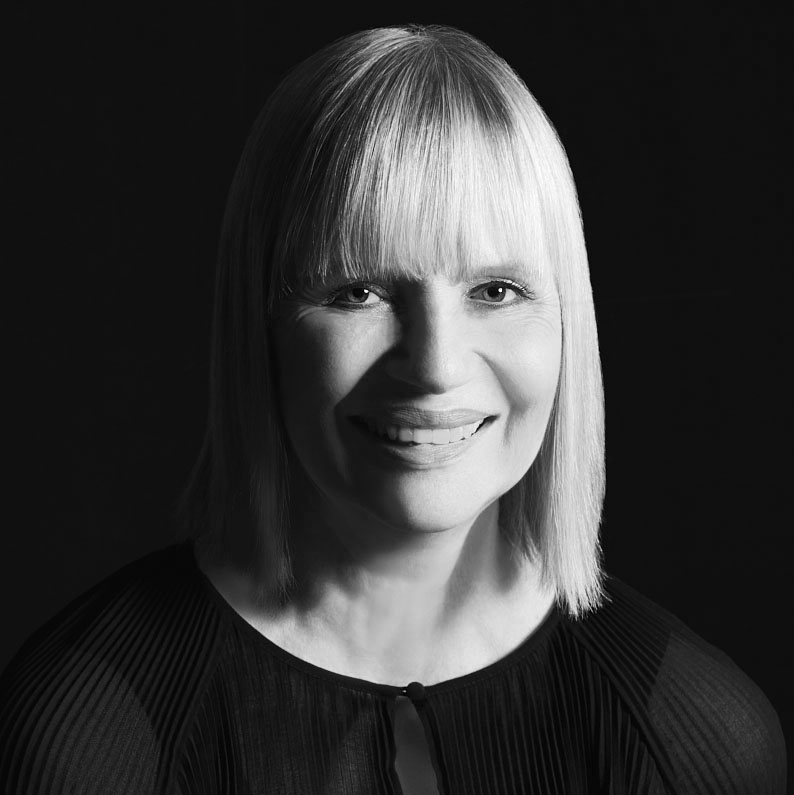
Headshot of Gaele Sobott

I interviewed Gaele Sobott, founder and creative director of Outlandish Arts, a disabled-led arts organisation, and author of Colour Me Blue, a collection of short stories set in Botswana, and My Longest Round, the life story of Wiradjuri man and champion boxer Wally Carr.

In the first half of her interview, Gaele introduces her upbringing and disability work, her creative methods as a cross-genre wordsmith and her reaction to the Australian bushfires and the current climate emergency.

Leslie: Could you tell the story, please, of how your interest in various forms of writing and disability arts began, grew and developed? How did your early life shape your creativity?

Gaele: I was born and grew up in regional Victoria, Australia. When I was very young, I did the rounds of all the Sunday schools; Methodist, Anglican, Presbyterian, Catholic, to collect books. I liked the stories. We moved around a fair bit but for as long as I can remember, public libraries were the centre of my world. When we lived in a small fishing town where there was no library, I looked forward to the bookmobile that drove in regularly. My parents also paid off a set of Grolier encyclopedias which provided me with hours of reading. We had an Astor radio with two shortwave bands. I discovered Radio Moscow and would listen to their English program. I received books and plastic records from them in the mail. I particularly loved traditional stories or folktales from around the world about magical and imaginary beings. So I would say that access to stories, books and reading during my early life definitely shaped my later creativity.

My interest in writing developed at school, particularly the secondary school I attended in Melbourne, where I had dedicated English Literature and History teachers who encouraged me to write. I kept a journal during that time and, as a teenager, was influenced by the politics of the Vietnam Moratorium and the growing women’s liberation movement.

I remember seeing demonstrations by disabled people on TV but knew very little about disability politics. I did not then identify as disabled. My understanding of disablement as a political concept only came about in the late 1990s when I began to experience impairment that affected my mobility and my access to buildings, transport and events. My involvement in disability arts only really started in the early 2000s when I came back from living overseas for over twenty years. I met with Amanda Tink and Josie Cavallaro at Accessible Arts NSW, who assisted me quite a lot in understanding the disability arts environment in NSW and Australia. At that time, I started writing my body into my work, the way I moved through the world, my experiences with hospitals and doctors. I was part of the first Australian cohort of Sync, a training program presented by the Australia Council for the Arts that focused on the interplay between leadership and disability. The people I met there and the course itself helped me understand that, as disabled people, we can lead through our art and arts work. I founded Outlandish Arts, a disabled-led arts company for disabled artists across all art forms.

Read More
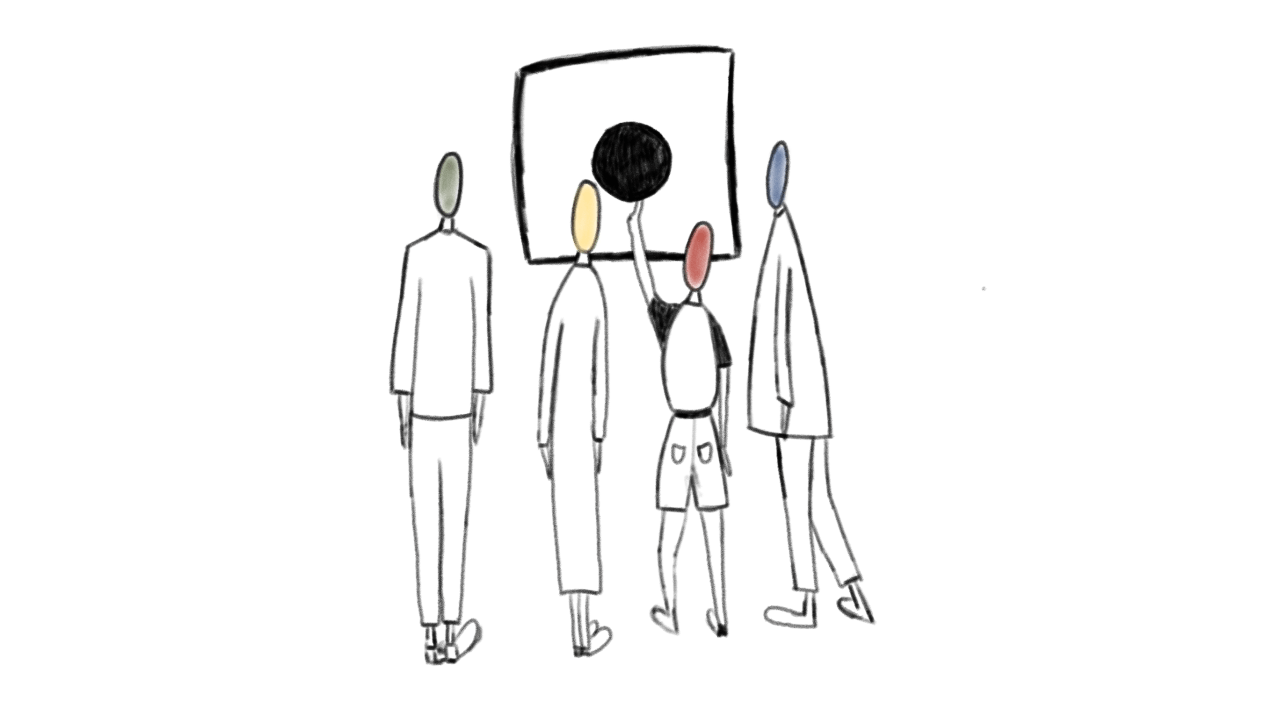
A still from the animation I was born (Misfit).Four people facing a circle of solid black in a square. They have different coloured heads (green, yellow, red and blue). The smallest person is reaching up to touch the circle. Drawn by Daria Lytvynenko.

Earthly: poems by Gaele Sobott

I allow unarticulated feelings, thoughts and knowing to direct the course of my poems. Floating, allowing the parts of my brain that daydream, intuit, engage in parallel-interactive logic to take over. Maybe, in the end, poetry is a process of interpreting the knowing that exists within bodily experiences, around the body and between one body and other bodies. Surprises and dilemmas emerge along the way and when I work out which direction to take, I spend time crafting a poem.

Some describe elements of my writing as magical. I see these elements as reflections of cultural realities; myth, turns of phrase, musicality of spoken language, the way imagination can be part of the everyday and accepted by a community as such.

I believe my writing is informed by a combination of the joy of imagining, anger, grief, love and disdain. Growing up working class, losing memory, I demand the right to get grammar and other bits and pieces technically wrong, but seek to be subjectively and poetically authentic.

Full article and poems published in Disability Arts Online Showcase

Disability Arts Online is an organisation led by disabled people, set up to advance disability arts and culture through the pages of our journal. Their raison d’être is to support disabled artists, as much as anything by getting the word out about the fantastic art being produced by artists within the sector.

Disability Arts Online give disabled artists a platform to blog and share thoughts and images describing artistic practice, projects and just the daily stuff of finding inspiration to be creative.

Separation جدایی by Gaele Sobott

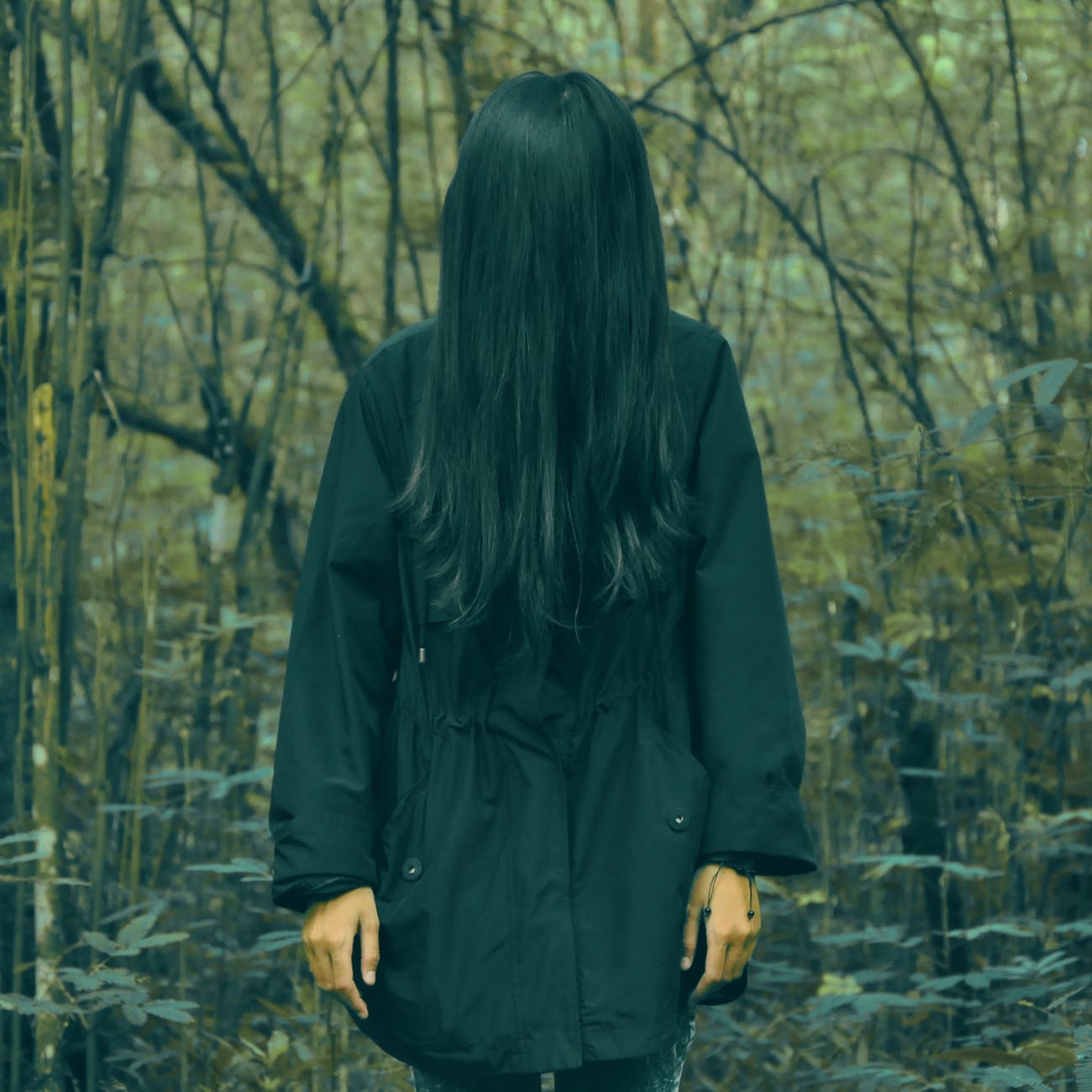
Colour photograph of a woman standing in a black coat in a forest. Her face is completely covered by her long black hair.

Photo by OVAN on Pexels.com

It seems my mother bore me for grief that grows of separation (from Hafez 352)


When I was a little girl in Iran I loved spinning around until my brain became fuzzy, I’d lose control and sometimes I’d fall. The roses in our garden swirled red, pink and white as I turned, and I’d smell their sweetness.

My husband has gone. There is a space where he used to be. That space loops brittle-boned into my body, across my apartment, out the window into the heavens. I water my plants on the window sill and I feed my canary, who sings yellow in his confinement. Little bird condemned to this boredom until you die. A huge bat hangs camouflaged black in the fig tree next door, across the broken concrete of the driveway. I walk fearful, careful like Mooch, my cat, soft on my toes. The moon, swollen with light, shudders as the bat takes off and I squeal. If I ran my fingers over those wings, they’d feel thin, stretched rubber or maybe silk. Shwoosh, shwoosh, stupid woman, it flies an elegant ellipse of protest high above our rows and rows of apartments to return and hang again black in the fig tree next door. My daughter weaves a life of her own in America with her husband. My grandchildren are far from me.

The evenings are cooling ever so slightly on my sadness as summer gives way to autumn. Lakemba days are shortening and people spend more time inside. Conversations in Arabic, Bengali, Mandarin drift with smoke from a wood fire, and smells of curry leaves and cumin frying. Death and rebirth, good and evil, the goldfish swims in its bowl ready for Norooz.

In Iran, I sat on my father’s lap enclosed like a Russian doll in our house, in the room with carpets, surrounded by the architecture of my father’s body, the warmth and murmured rumblings of his chest. His arms wrapped around me so I was almost in darkness. My father and his friends laughed and talked. The volume of their voices crescendoed and lulled in concentric circles. I peeked out to see my mother swinging a brass censer filled with coals. She seemed entranced by the swinging chain. The coals glowed in their cage. I broke from my father’s arms and ran to her. Pulling on the folds of her long robe, I wanted to feel the motion, the weight of the censer. I wanted to do as my mother did and make the coals breathe red. My brother followed me and my mother allowed us to swing the censer very gently before she took it to the brazier in the middle of the room. My father prepared two of his favourite vafoor. One pipe had a gold rim and paintings of blue birds with long tails on the bulb. It belonged to my grandfather who was growing smaller and smaller, sitting in the quieter shadows of the house, storm clouds under his eyes, and dark thin lips.

My uncle had returned from the edge of the desert where the air is crisp. He returned from Kerman with pistachios and the golden-brown tariaak they called senatori. The men joked about the senators smoking the highest quality opium. Now the ayatollahs have taken over from the senators. My father broke off a small piece of opium and put it in the pipe. My uncle held a burning coal in the tongs.

Grief has made its untidy nest in my apartment, in this body of mine. I try to sleep but the night is restless, the darkness is full of angst. I try to rest sitting on my couch reading but sentences scramble, scratching the paper like scuttling cockroaches. The words scream a cacophony of meaning at me and I feel their rage because I am porous. I have no boundaries.

In the morning, I leave my flat at 7am and walk to the train station. I walk tall, long feet and long fingers, wearing a dark suit. My hair long and black swings in time to my steps. Back and forth I walk every day, past discarded TVs and old mattresses. I walk past piles of clothes and curtains, and couches, broken tables and packaging that recently held a new refrigerator or television. Every day the train sways, stops and starts. People get on and people get off. Some play games on their phones. Some stare glassy-eyed into corners of their lives I cannot see. Belmore backyards flash by, we rattle through the inner west, Redfern platforms, sniffer dogs assiduous, salivating for a bust. I get off at Town Hall, moving at the same pace as everyone else, trotting up the escalator, across George Street, a fast-moving mass of people who seem to know their way, know what they want in life. Lines of square windows and grey concrete stretch to the sky but I rarely lift my head to look. I don’t stop in the city. In the city, I’m a lawyer. My work holds me tight like a corset. Keeps me going.

The lift zooms up to level thirty-two. I greet Helen, the receptionist. “How you doing today?”

She says, “My cat’s sick,”

“Sorry to hear that.” I commiserate.

“Yeah, she’s not eating. Just lies there. If she’s still like that after work, I’ll take her to the vet.”

The phone rings, she puts on head phones and her receptionist voice to answer. She winks at me and I continue to my office. Sexual harassment cases splayed across my desk, on chairs, clusters of papers, book upon book with fawn covers, gold titles on red binding. I click on my inbox. Emails like hordes of insects. I click, answer, click, answer. Read some specialist medical reports. So much reading. Reading consumes my day. Rowena’s complaint with the AHRC, the respondents denied the allegations. All attempts to bring the parties together have failed. Not the best-case scenario for Rowena. The alleged perpetrator relies on entitlement, on his positioning in the hierarchy of power. The offensive sexual jokes, suggestive and lurid remarks, sly rubbing of his cock against her body, always in tight spaces, in the kitchen, at the photocopier, fingers pinching her bottom, prodding. All that disappears with his denial and confident smirk. Rowena’s supporting evidence is weak. She’s depressed, experiencing reactive anxiety. She resigns from the job. Her marriage breaks apart. I’m not sure how she’s going to cope with the pain, the anger, shame, the humiliation of the public process. I’m a lawyer, a professional, but sometimes emotion and passion leak through my lawyer skin onto the desk, across the papers, like dark, golden sap escaping from the inside of a tree. When that happens, I am not useful to my client. When that happens, I want to cry.

On the train back home, the hurt under my breasts and the desire to cry are desperate, they rage against my false calm. The train doors whoosh shut, I climb the stairs, walk, unlock the front door, the cat rubs against my legs. Tip dry food into its bowl. Feed myself. White cheese, walnuts, dates, Persian cucumber, tomatoes, olives, nuts. I sip black tea from a glass and let lumps of sugar dissolve slowly in my mouth, longing for my mother’s sweets.

My mother put rose petals in with the tea leaves. She carried the teapot and glasses clinking on a tray. Her thick hair pinned up in a French roll. On one side of the manghal sat plates of honey crisps with almonds and the pistachios my Uncle brought us as a gift. Dates and figs, and small biscuits kept my father’s blood pressure from dropping too low. I sat on my father’s lap. My tooth ached. He inhaled, and the pipe whistled. He held his breath, his cheeks bulged, he blew smoke across the top of my head. Haalaa bekesh too. I inhaled and the woody perfume was purple or maybe turquoise, the most sensuous bitterness. I was transported away from pain.

Cat footprints mark the dust on my bookshelves like fallen blossoms, Mar Name leans neglected against a Farsi translation of Nietzsche. Deleuze and Guattari, Anti-Oedipus balances on Grammatology. In the Realm of Hungry Ghosts lies on the floor alongside classical music CDs I no longer play. I sit on the couch. My fingers habitually exploring the patch that covers a small hole burned by my cigarette into the fabric. Above me hang crooked on the wall, cheap copies from the seventies turning brown. I ran from Iran over twenty years ago, first to Pakistan, then here. I am forever a kharjee spirit, an outsider, an adventurer, maybe a heretic … at day and at night, branded by love, like Hafez, with nightingales of dawn, I cry songs, woes of separation.

Mooch stretches his tabby body across my thigh, heavy, snoring like the man of the house he is. He brings me lizards and mice and small birds. He lays them wet at my feet, sometimes moving, sometimes still.

I am still, here with my cat, and the canary asleep in its cage, and the fish.

The city on the edge of the desert, the ancient city called Kerman, where the air is crisp and very cold at night, is surrounded by fields of poppies but was once surrounded by fields of barley. I would lay on my stomach on our carpet from Kerman, rolling from one end to the other over the pastel shades, the blues and creams, back and forth until my brain was fuzzy. I imagined I was lying in fields of yellow barley ready for harvest, looking up at the sky so very blue. My father sat with his friends drinking tea, eating cakes and sweets. They laughed and they cried. They talked as if to stop talking would show weakness. They talked over the top of each other. Their conversation infinite, uninhibited…

Read more 

Published 8th November 2019 in Prometheus Dreaming
 

Little Tree by Gaele Sobott

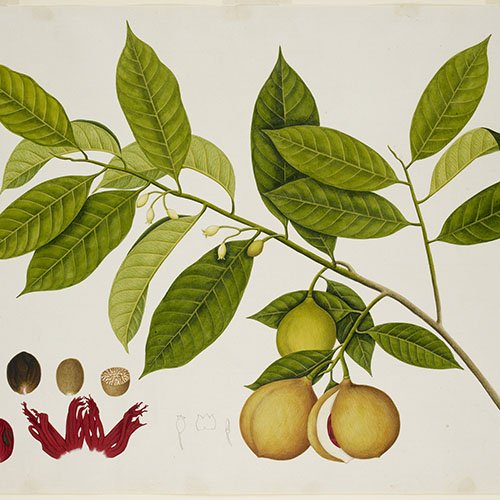
Colour, botanical drawing of a nutmeg tree

I have opened the door and stepped into the beginnings of my old age, into the house of my youth. Surrounded by the smell of wood, not damp, musty perhaps, and the scent of my mother. Avon Unforgettable, floral, carnations with undertones of moss. The scent that witnessed me sneaking through her snap-shut, gold-latch handbag, caught me searching in the darkness of her wardrobe, searching for private things, searching for her lipstick.

Memories of my mother’s slim ankles in stiletto shoes and her auburn-bourbon-red hair lay, hidden like Easter eggs, awaiting the joy of discovery. She is here within the carved and oiled wood of the beds, the tables, chairs and the cupboards. She is in the timber ceilings and floors, even in the weatherboard exterior of the house.

My mother’s voice still lives in the small garden at the back of the house. Her words bob and rustle in the breeze — the myths, fairy tales, the nursery rhymes….

Read more

Published December 17, 2018 Meanjin Quarterly

THE COURAGE TO COME FORWARD – An Interview with Colin Hambrook

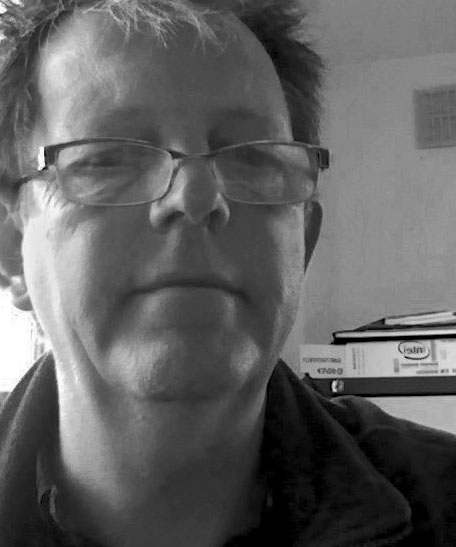
Black and White headshot of Colin Hambrook, a middle-aged, white man wearing glassesColin Hambrook was educated at Dartington College of Arts in South West England. Knitting Time, his exhibition of paintings, drawings and poetry about the experience of psychosis is on show at The Hub, East London until 15 November. The work was previously shown at Pallant House, Chichester and the Impact Arts Fair 2013. Colin’s first collection of poetry, 100 Houses was published by DaDaSouth in 2011, followed by Knitting Time (Waterloo Press ISBN 978-1-906742-65-2). He is the founding editor of Disability Arts Online

The interview was conducted by Gaele Sobott on 28th September 2015 at the Barbican Centre in London just before Colin attended the Creative Future Literary Awards at the Free Word Centre in Holborn.

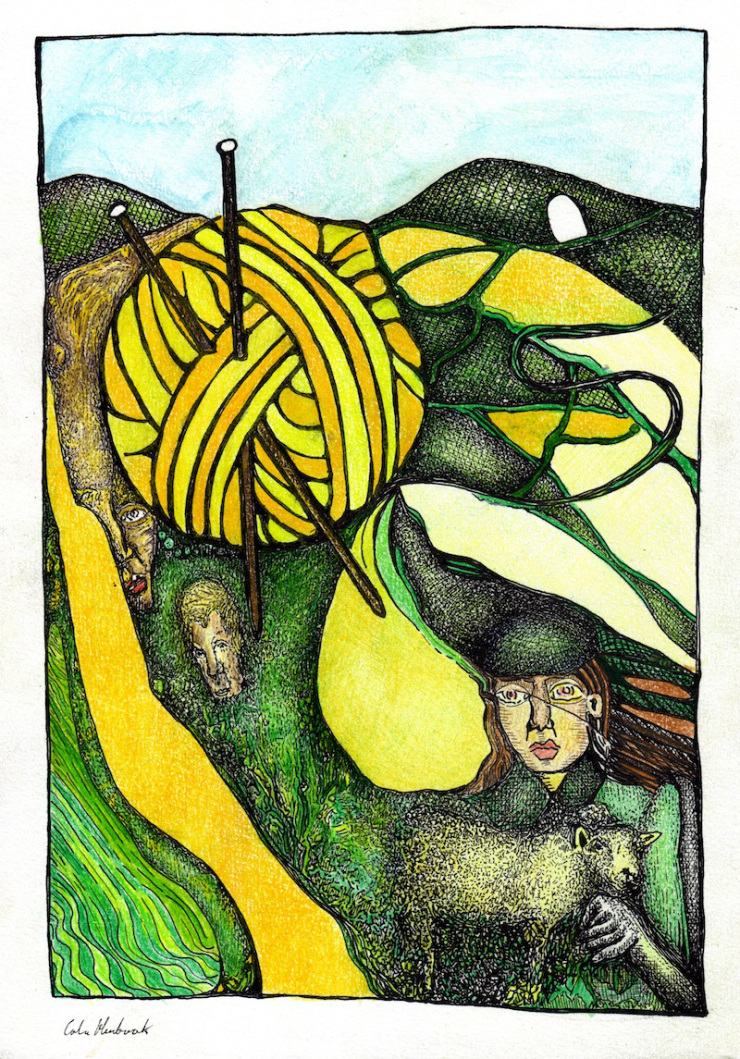
Drawing by Colin Hambrook. Blue sky with clouds above green hills, a large ball of yellow wool sits just below the hills. Brown knitting needles are stuck in the ball of wool. A thick yellow line runs down the left side of the picture like a river, and green and yellow squiggly lines run parallel to this yellow band. To the right of the picture there is another thick band of yellow intersected by thin meandering green curves that creates what looks like an aerial view of plots of land or small farms. There a two faces, one squashed between the ball of wool and the yellow band on the left and one just below the ball of wool. In the bottom right-hand corner there is a woman wearing a green beret type hat and green coat. She is holding a sheep.

Call of the Ancient by Colin Hambrook

Gaele Sobott: In Australia the visual arts and now dance appear to be surging ahead in terms of developing platforms and exposure for disabled artists. Literature is quite a way behind. In the UK disabled writers and literature seem to be better placed. What are the Creative Future Literature Awards and how is Disability Arts Online involved?
Colin Hambrook: Creative Future is a Brighton-based organisation looking to promote careers of ‘marginalised’ writers and artists. Amongst those they support with their annual Literary Award are a certain number of disabled writers. Disability Arts Online is a partner. We have signed up to help them promote the program, get information out, reach people. In terms of literature in the UK, Survivors’ literature has led the way.
GS: Please explain what Survivors’ Literature is.
CH: The key organisation is called Survivors’ Poetry, founded in 1990 by four poets with direct experience of the mental health system in the UK. In a really short space of time it mushroomed into a huge phenomenon. It was a UK network of groups that all became affiliated, some of them became registered charities or not-for-profit companies in their own right and I would say between ’94 to ‘96 it exploded and was reported on in the media and really picked up on. It was important that the people who ran the organisation and wrote for Survivors’ poetry come from a mental health background. They had experienced mental distress, been through or had an intimate knowledge of the mental health system.
GS: What kind of work were they producing?
CH: In the 90s there was a kind of performance poetry format, going into day centres, resource centres, organisations working with people who had come through the mental health system, and producing workshops and giving people the opportunity to perform. So typically the first half of an event would be open mic encouraging people to get up and perform their writing and the second half would be more experienced performance poets. The organisation still exists with a core force of people in London but it has become less prominent elsewhere in the UK over the last ten years.
GS: Why do you think that has happened?
CH: Survivors’ Poetry’s strength was in its Community Arts ethos, but it has become harder to find funding for grassroots work. It’s hard to keep integrity, supporting individual artists creativity at a grassroots level whilst maintaining support for ‘professional’ artists. Survivors’ Poetry turned to producing a literary output, which has been fairly successful. As part of the Unlimited showcase at London’s Southbank Centre last year, Disability Arts Online and Survivors’ Poetry celebrated the achievement of the organisation with a reading by some of the Survivors’ founding poets in the Saison Poetry Library in the Royal Festival Hall. The library contains twenty-seven titles under the Survivors’ Press imprint.
GS: Has Disability Arts Online managed to keep its integrity?
CH: Disability Arts Online in the last ten or twelve years has kind of managed. It’s a bit like a dance, you want to keep your core constituency on board and to nurture that talent, but also you’ve got to watch out, keep an eye on the priorities linked to where financial support can be found to ensure funders’ demands are satisfied.
For instance we have a modest contract with Unlimited to report on all of the artists and all of the projects that come out of Unlimited. It’s a fantastic opportunity to spread the word about this important initiative. Much of Unlimited’s aims and values concur with those of Disability Arts Online, working to support the development of art by disabled artists within the UK cultural sector. Disability Art Online’s brief is to interview the artists, review the shows, comment on the work as it progresses, and where possible, to commission copy for other online magazines and press in order to facilitate the reach of Unlimited to new audiences. Unlimited had a fairly substantial presence at the Edinburgh Fringe Festival this year, with several pieces of work in the British Council Edinburgh Showcase. Unlimited is spearheaded by two organisations: Shape and ArtsAdmin and they’ve received support from the British Council in facilitating the artists taking their work outside the UK. In many ways it is a bright, shiny success story.
We have to work hard to ensure our integrity isn’t compromised, which means creating projects that support and create opportunities for our core constituency and looking to remain disabled-led as much as possible, whilst also working with the high-profile initiatives. Without the support of Unlimited many of the artists we work with would never have got the profile they’ve achieved. For example Jess Thom was unknown as a performer before her company Touretteshero received an Unlimited research and development commission for Backstage in Biscuitland. After a year or so of touring she has been commissioned by Channel 4 with a version of the show made for television, Broadcast in Biscuitland.
GS: So does your core constituency consist of disabled artists at grassroots level?
CH: Yes, disabled artists, writers, who are what the Arts Council term as emerging artists. They are people who create because they’ve got to create, not because they’re making a living out of being artists, necessarily.
GS: Is it possible some of these artists could find themselves forever classified as emerging because of the nature of the market and the value system used to categorise their art?
CH: Yes but that’s just the label that the Arts Council puts on it. People are creative because they need to be creative and creativity isn’t a commodity. We have this schism in our society that divides creativity up into commodity and art. It’s nonsense really.
GS: You mentioned that much of the art by disabled performers at this year’s Edinburgh Fringe Festival focused on the body. Can you please talk more about that?
CH: Yes that’s not necessarily a bad thing. Culturally it’s very different from disability arts of possibly ten, certainly fifteen years ago where the focus on impairment was frowned on.
GS: Was that in defence of the Social Model of Disability?
CH: Defending the Social Model but also it was much more then about community and about people raging against the machine, standing up against discrimination, being a collective force. What’s happened is that as the focus for disability arts has moved away and broken up into impairment-focused issues, which I think are important . . .
GS: Why do you think these issues are important?
CH: Because the key problem with what I would call the first wave of disability arts from the mid 80s to the end of the 90s was that it was very much inward-looking and there was a very powerful community of disabled people who were very clear in their aims and making strong art for and by disabled people. Indeed we got the DDA (Disability Discrimination Act 1995). Not the DDA we wanted but we got the DDA. What happened then was that the very clear, concise stand against discrimination got diluted and the Social Model as a source of inspiration and power for people to find a voice kind of hit a brick wall because impairment within the Social Model wasn’t really addressed in a very strong way. So all the slogans like, Nothing About us Without us, the focus on things being disability-led, kind of fell apart when certain disabled leaders, say for example a wheelchair user, didn’t understand all the politics around Deaf issues or blind issues. Having disabled leaders is important but having that broad understanding of access and the issues faced by people with different impairments is more important.
GS: Isn’t it possible to have disabled leaders with a more complex understanding of disability, Deaf experiences, impairment?
CH: Yes that is the ideal, yes.
GS: Why hasn’t that developed or has it?
CH: There’s a choice that happens in either developing the politics or developing the arts. They can go hand in hand and work with each other and they can also work against each other. The emphasis from the funders has been that if you want the money you have got to develop the aesthetic, you’ve got to develop the art. The politics have been sacrificed to a large extent. A big part of that politics is the importance and value of work being disability-led, because at the end of the day, it’s the experience of being disabled by society that motivates us.
GS: With this huge austerity drive and all these cuts do you think there is more of a need now to develop disability political leadership and action?
CH: Yes there is more of a need now than ever. Absolutely.
GS: How do you see that developing given what you have just said?
CH: It needs people with courage to come forward and start demonstrating on the streets again.
GS: Do you see the march to Downing Street on Saturday protesting the changes being made to Access to Work as an example of this?
CH: I’m really angry that the government are cutting Access to Work. In this case the government said they will cap what any one BSL interpreter can earn at $40 000 a year. But who the hell in the arts is earning forty grand a year? Very few I would say. So the demonstrators were protesting the cuts in Access to Work with this cap on how much an individual can earn. There are thousands of disabled people dying because of cuts. The government is playing a game of divide and rule. On the one hand they are saying they want to get all disabled people into work, but on the other they’re denying means to make working an option. There needs to be a clearer focus in standing up to these issues.
GS: So are you saying that political leadership and analysis are lacking?
CH: Yes
GS: When you say there is a need for people with courage to come forward, the courage to do what?
CH: What the hell do we do in this political climate? I got very involved in supporting the 10 000 Cuts and Counting protest. At the end of 2013 we were working with Michael Meacher MP and the Dean of St Paul’s Cathedral. We met Michael Meacher in his office in Downing Street. He had a mass of files of printouts, of emails and letters of people who had written to him of their plight, their family’s plight, what was happening as a result of austerity, what was happening as a result of cuts in disability benefits. The main focus was that over ten thousand people had died within six weeks of being declared fit for work because their benefits had been cut and they’d been left with no money. Those individuals didn’t necessarily pass away because of the cut in their benefits, but equally, many did. Can you imagine the indignity of being on your deathbed and getting an official letter from the Department of Work and Pensions telling you that you are fit for work? And this has happened to many thousands of individuals and their families. There has been a very dangerous shift in attitude that as an individual living in this society you have to prove that you are financially contributing to it for your existence to be valid. We’ve gone back to the Victorian age within a few short years with the ruling class and their bastard politics. They’ve got every evil connivance of screwing the tax payer and they’ve got the media sewn up so they can infest everyone’s brains that it’s disabled people who have brought austerity upon us, that have brought down the economy. It’s evil!
GS: So do you think it is the responsibility of disabled artists to identify as part of the community and bring the politics into their art in some way?
CH: I personally think it is but then who am I to demand that of an individual? I encourage individuals to get involved in Disability Arts Online who have that ethos. I would say though that generally this time around people are finding it much harder to stand up for their rights.
GS: Why do you think that is?
CH: Well I would include myself in this criticism and say after the DDA was established, the disability movement never really went out of its way to include younger people. So we’ve still got the same old codgers now trying to make a stand like they did twenty or thirty years ago. People are older and frailer.
GS: The older people may no longer have the physical strength but they have knowledge. Do you think younger people are separated from that history, that knowledge of what has gone before them? Are they expected to reinvent the wheel?
CH: Yes and the tendency of Neoliberalism is to encourage people into their own little camps, individualism, losing sight of the larger collective.
GS: Do we need to theorise how to change that and if so how?
CH: It has to happen. I think going back to what we were saying earlier there is a value and an importance in the work that has become the key focus for disability arts – the relaying of stories about the body, stories of people’s experiences of individual impairment, of discrimination.
GS: How does art play a role in changing public perceptions?
CH: Art has a key role to play. You might not call an ITV soap opera, art, but in terms of popular culture, it’s much more wide-reaching than most art.  And so for example, Liam Bairstow who trained with Mind the Gap has recently got a lead role in ITV’s Coronation Street. I think that a young actor with learning difficulties being seen on TV is definitely going to change attitudes, make a lot of people think and those changes are really important.
GS: It seems you are saying that change needs to take place on many levels.
CH: That’s where disability arts is at now I think, certainly within the performing arts, and within the visual arts. In the visual arts there is possibly a bit more politics.
GS: Going back to individual courage – someone may have the courage needed to come forward but if others don’t join with that person it could be very demoralising. What is your experience in this regard?
CH: Well yes, for me, we went to all that effort with 10 000 Cuts and Counting and none of the media turned up and it was all forgotten very quickly. No one took any notice. Nobody seems to care that many thousands of disabled people died because of cuts. Nobody thinks that could be me, or that could be a member of my family.
GS: You said the media didn’t pick up on the story. Disability Arts Online plays an important role in providing an alternative media source.
CH: Yes we do provide an alternative media and we keep plugging away.
GS: You started Disability Arts Online in 2002, and in 2004 you set it up as a not-for-profit company limited by guarantee. So it’s been running for over eleven years. How do you fund the organisation?
CH: We’re constantly working on funding applications for projects. We have a broad vision for how we operate in terms of raising debate about disability arts practice and supporting the work of individuals and organisations across art forms.
We’ve recently received funding from Arts Council’s Grants for the Arts scheme for Viewfinder over the next eighteen months. Viewfinder will see us working in partnership with Wikimedia UK, Sick! Festival, SPILL Festival, Carousel, the New Wolsey Theatre and Goldsmiths Disability Research Centre. It’s very exciting. Wikimedia UK are keen for us to populate Wikipedia with pages dedicated to disabled artists and a history of the movement. The Disability Research Centre at Goldsmiths University is supporting us in running a series of workshops.
We’re producing a video platform and commissioning disabled artists/filmmakers to curate a selection of disability work from the archives of Sick! Festival in Brighton, SPILL Festival in Ipswich/London and Carousel’s Oska Bright Festival. We will produce videos commenting on the importance of the selection in advancing the practice of disabled artists. So, for example Matthew Hellett, who is a learning disabled filmmaker on the Oska Bright committee will be making a film about what makes for good representation; how the committee judge the best films for Oska Bright. We’ve also got another year of core funding from the Esmée Fairbairn Foundation, which is renowned for funding organisations with a community remit.
GS: Have you come up with ideas for sustaining Disability Arts Online on a more long-term, financial basis? Have you tried financing the group by any means other than government funding or philanthropy?
CH: We’ve tried a few experiments. We recently worked with Stopgap Dance Company. They produced the Independent Fringe platform in Edinburgh. Disability Arts Online produced a crowd-funding platform for one of the younger artists, Rowan James. That was successful. We raised £1500 towards getting him to the Edinburgh Fringe Festival. We want to do more of that.
GS: You have described how outside funding can determine the path you take. So if you want to be independent of those demands and priorities in terms of changing the political situation how do you achieve financial independence and sustainability?
CH: Well yes sometimes you feel that the odds are stacked against you. It is a constant struggle. We need time and energy and imagination to come up with strategies. We have a shared knowledge and experience that can be incredibly useful to many industries, so we are also working to find ways to be more sustainable through consultancy and media partnerships.
GS: You have shared your childhood and some challenging personal experiences through your poetry in a way that must be quite confronting but hugely important in terms of supporting people within the Survivors Movement and people who may feel isolated. Would you like to comment on how art can provide a form of community solidarity and empowerment, especially in reference to your latest collection of poetry, Knitting Time?

A drawing of a small boat knitted from yellow wool, sailing on a blue sea with stylised waves against a bright blue sky

Knitting Time by Colin Hambrook

CH: I’d like to think that Knitting Time had value in giving a voice to issues around mental distress. Mostly, psychiatry condemns individuals to the judgement of a medical imperative, which locates mental health problems in the head divorced from the individual’s life experience and circumstances or indeed from any emotional impact located in the body. It treats the individual as having a separate, disconnected body and mind and introduces powerful and potentially harmful drugs to suppress experience deemed as mental health problems. Often, those experiences can be exhilarating and creative even if they can make it harder to function in the ‘real world’. Often mental health ‘issues’ are a matter of an individual having the confidence to be comfortable with who they are.
So in sharing some of my own journey I would hope to break some of the isolation people feel. There is empowerment in hearing others’ stories, others’ expression. There are poets like John Clare and William Blake whose names come up frequently in terms of writers whose core work continues to inspire empowerment within a survivors’ community. There was a poem by Ellen Link that I go back to again and again that inspires my sense of the value of connection; and connection with nature as a healing force in contradistinction to this narrow framework we are meant to fit in with when it comes to being seen as valid, mentally healthy members of society: “In the woods they blast/ your courage to tell you/ you are not a tree, that the wild wind /and the grey skies are not your cousins/ though their atoms be like yours. . .”

For further reading:

Colin Hambrook’s Art and Poetry Blog

Celebrating the Survivors’ Movement

Jess Thom’s Tourettes Hero

10 000 Cuts and Counting 1

10 000 Cuts and Counting 2

10 000 Cuts and Counting 3

Creative Commons License
The Courage to Come Forward – an Interview with Colin Hambrook by Gaele Sobott is licensed under a Creative Commons Attribution-NoDerivatives 4.0 International License.

ENLIGHTENING THE GATEKEEPERS… some thoughts on the Scribbler Literature Forum

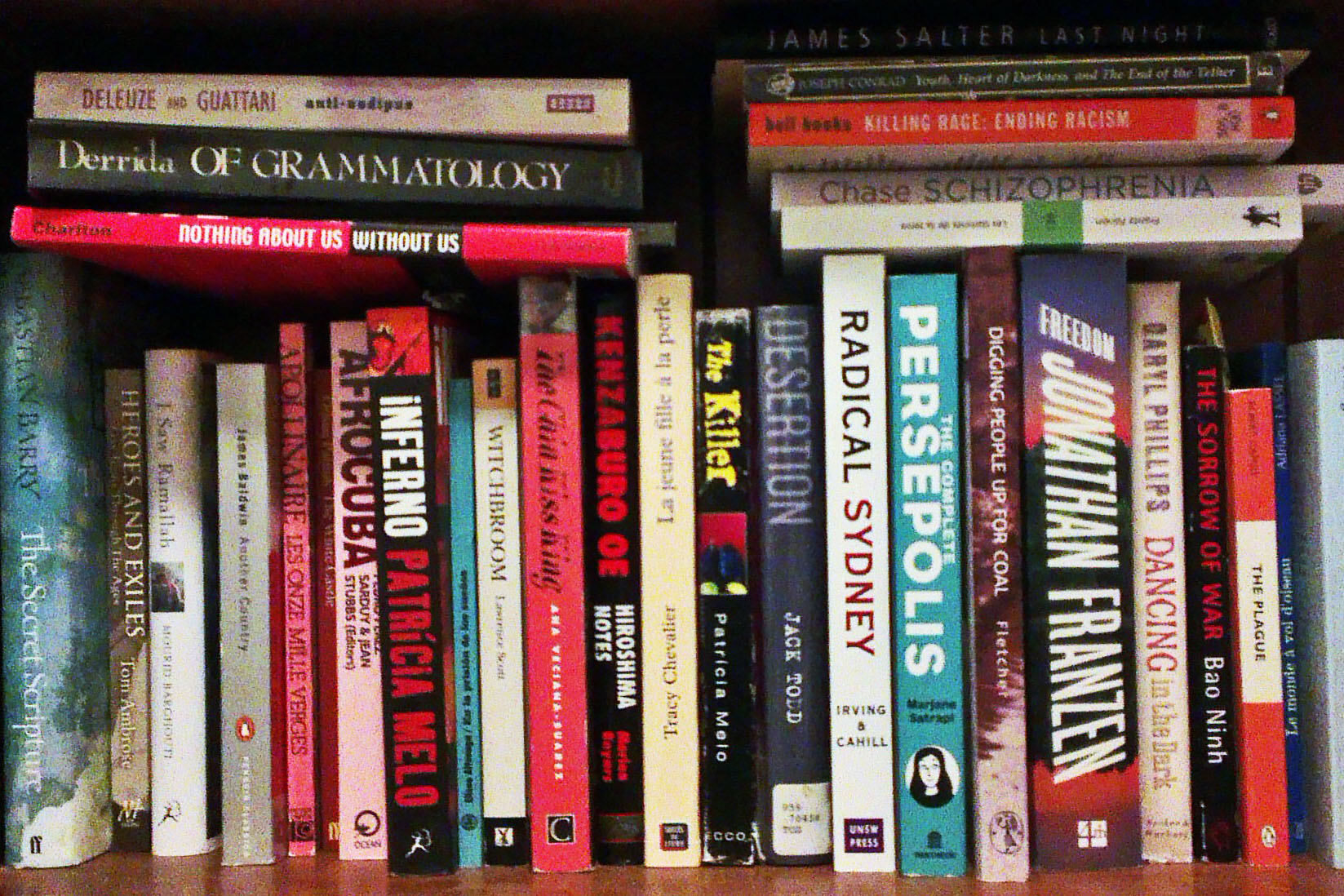
Image Description: Books on a bookshelf. Titles include Persepolis, Of Grammatology, Radical Sydney, AfroCuba


One of the more well-known slogans of the disability rights movement is “Nothing About Us Without Us” – the recent closure of ABC’s “Ramp Up” accentuates the fact that there are very few of “US” in the Australian media, literature and writing sector.

For many years, South Australia was the only state to run a program, through the SA Writers’ Centre, for writers with disability. In 2012 Arts Access Victoria and Writers Victoria took up the baton by launching the Write-ability project, supporting Victorian writers with disability to develop their skills and writing careers. At the 2014 Emerging Writers Festival in Melbourne, Write-ability proudly showcased six of its emerging writers.

Accessible Arts NSW began the process of addressing the barriers faced by writers with disability in NSW by organising the SCRIBBLER – Literature Forum at the NSW State Library, on 24th June this year. I was pleased to be invited to convene this event. Writers with disability gathered together with industry professionals to hold critical conversations around what we see as key concerns. Examples of these concerns are leadership opportunities in the sector, inclusion in festivals and on writing platforms, and changing the culture surrounding disability in the arts.

The keynote speaker at the Forum, Writer and Editor, Gayle Kennedy described in detail some of the access barriers she has faced as an award-winning writer who uses a wheelchair. One example she quoted was organisers refusing to pay her carer’s airfare, which meant Gayle was prevented from attending major events:

[As a] David Unaipon Award winner ‑ I did not get to go to any other  writers’ festivals. Year in and out every award winner is invited to the  festivals. But I didn’t. I didn’t get to go to Melbourne. I didn’t get to  go to Adelaide. I didn’t get to go to Perth.

The presenters on the “Writing the Boundaries” panel gave specific examples of the discrimination that effectively nullifies or hinders equal opportunity within their chosen occupation of writing. The experiences are complex and varied. Georgia Cranko, a writer and performing artist talked about privilege and oppression in her life, “…I am often marginalised in situations, but I have been fortunate to be equipped with tools that allow me to push through that oppression and neither be crippled by it nor defined by it. My intellect has always been doubted by strangers.” She feels lucky that she can prove her capability through her academic work and writing, not only to others but also to herself. She related how the physical manifestation of her impairment sometimes offers her privilege in comparison to people whose impairment is invisible but “It also underscores the social issues that I deal with. If employers were willing to hire someone like me, I wouldn’t need to rely on the government for the pension or be terrified that it will be cut…”

Amanda Yeo, a writer from Sweatshop Western Sydney Literacy Movement, refuses to be defined by her impairment, and does not accept the limiting inspirational, tragic or superpower tropes that are used to characterise people with disability in the media and literature. She has found writing to be an excellent way to explore her identity and learn to be comfortable in her own skin. She said,

I’m not saying we should write about people who find their disability a constant factor or concern, and I’m not saying we should only write about people with disability…I’m not saying we have to write about people with disability all the time; I’m just saying write about people.

In describing our embodied experiences of trying to work within a disabling world, the writers rejected posturing on disability by writers without disability. Historically people with disability have been the objects of research, not the researchers. We have not been seen as writers but have been written about and acted upon. The obvious way to change this is for writers with disability to write about disability themselves.

Gayle Kennedy called for affirmative action in relation to creating disability leadership opportunities, and dedicated disability access and arts funding. Affirmative action is a concept that is shied away from when discussing solutions to disabling experiences of discrimination in the arts. It is possibly the idea of quotas and succession plans that scare organisations. I think there should be a focus in Australia at this time on meaningful employment targets for artists, arts managers, arts organisers and arts workers with disability. I think we should also be focusing on effective leadership succession plans for people with disability in arts organisations, especially arts and disability organisations. But I would also emphasise that affirmative actions include training programs, outreach efforts, and many other positive steps. Jane McCredie, Executive Director of the NSW Writers’ Centre suggested that writing and literature organisations should include an access component in their budgets. I would love to see the creation of a national literary prize for writers with disability. Some publishers are beginning to actively seek out manuscripts by writers with disability. Every small step is a welcome contribution to shifting attitudes, and to creating a critical mass of people with disability in key positions in literature organisations, performing on literature festival platforms, and publishing their work.

To bring about change to the disabling aspects of our industry, I think we also need to develop a more precise understanding of how gatekeepers determine who becomes literate, who learns to write, who gets funded, what the funding criteria are, who publishes, who gets publicised, promoted, invited to read. The gatekeepers are in the media, in schools, community centres and arts organisations. They are publishers, festival directors, book reviewers and event organisers. Gatekeepers may also include parents, carers and community capacity officers. They are the people who decide. They are the people who assist in forming understandings of disability, the value and often the content of our work. They form the dominant norms of the system we live in. Gatekeeping can be subtle or blatant. We hear story after story of young people with disability being told by a parent or a teacher that they can never be a writer. Many publishers are known to prefer promoting an author who fits snugly into the narrow physical realm of normalised beauty. Festival organisers prefer a writer who can travel freely without extra accessibility costs rather than a wheelchair user. By understanding how gatekeeping works we are in a better position to design affirmative actions. In terms of creating leadership that will bring about change it is already clear that writers and arts workers with disability need to access positions of power. These include positions such as publishing editor, publicist, festival director and policy maker. We need to be on the employment interview and funding assessment panel, and the board of arts organisations.

Although I’m not sure how literature as an art form fares, the Australia Council for the Arts is leading the field at the moment in providing dedicated funding for artists with disability and a focus on leadership and disability. The Council sponsored the UK based artist and disability activist, Jo Verrant’s recent talks on the transformational potential of employing disabled people in leadership roles within the cultural sector – not just for those individuals themselves, but for the invigoration of cultural strategy, and for the benefit of all. By including writers with disability we are opening up literature to diverse perspectives, writing that stretches beyond the boundaries of traditional literary form, writing that defies genre, and the way we receive and understand normalised bodies and language. Joanna Agius, a writer and Deaf Arts Officer at AARTS NSW argued the case for writing in AUSLAN and creating AUSLAN books, which brings a whole new dimension to the category of “literature”.

I recognise that discrimination is not always intentional. It can come about through fear and ignorance. In this respect writers with disability are crucial to shifting the culture that surrounds disability in the arts and in society in general. The power of literature lies in its ability to gradually shift perception, consciousness and then reality. To paraphrase the Belgian-Egyptian writer, Khaled Diab, the culture of power can at least be rattled by the power of culture.

There is a lot to be done. Many possibilities emerged from the Forum, including more genre specific discussions, regional forums, writer-with disability-led initiatives, the creation of writing resources for writers with disability, exploration and replication of the S.A. and Victorian mentoring programs, advocate/agents who approach publishers on behalf of writers with complex communication requirements, the development of diversity action plans. Many writers at the Forum commented on Executive Director of the Australian Society of Authors, Angelo Loukakis’, reference to the Women’s Liberation Movement of the 60s and 70s when “sisters were doing it for themselves”. There is a move amongst writers with disability to create their own writing groups, their own networks and their own performance and publication platforms. While writers with disability would like to find ways of sustaining these initiatives themselves, there is also a desire to agitate for taxpayers’ money to be distributed more justly across the arts.

It is essential for writers with disability, our allies in the sector, Accessible Arts NSW and industry professionals to follow up on the ideas and the momentum created by the Scribbler forum.

Sam Twyford-Moore, the director of the Emerging Writers Festival finished his presentation at the Scribbler Forum with a quote, “Festival directors are gatekeepers, but most enlightened gatekeepers take on the role because they relish opening the gates, not because they like slamming them shut. Most responsible festival directors are acutely aware of accessibility and diversity issues, and are driven by a desire to transcend those limitations, not to cement them.”

For the benefit of literature, the arts and society in general, let us now enlighten the gatekeepers. More importantly let “US” too become enlightened gatekeepers, attuned to the specific manner disability discrimination operates in the industry, and also to the form, content and location of discrimination against writers and arts workers who belong to other sections of society.

Links to organisations mentioned in this blog:

Accessible Arts NSW

Arts Access Victoria

Australia Council for the Arts

Australian Society of Authors

Emerging Writers’ Festival

NSW Writers’ Centre

SA Writers’ Centre

Sweatshop Western Sydney Literacy Movement

Writers Victoria


Video

Georgia Cranko Presentation at Sweatshop WS Artists with Disability Seminar

Highlights from the November 2013 Sweatshop WS Artists with Disability Seminar held at Writing and Society Research Centre, University of Western Sydney, Bankstown Campus, facilitated by Dr Gaele Sobott. The seminar was a chance for artists to discuss their stories and experiences, and the politics of disability.

Video

Highlights Sweatshop Western Sydney Artists with Disability Seminar

Highlights from the November 2013 Sweatshop WS Artists with Disability Seminar held at Writing and Society Research Centre, University of Western Sydney, Bankstown Campus, facilitated by Dr Gaele Sobott. The seminar was a chance for artists to discuss their stories and experiences, and the politics of disability.